
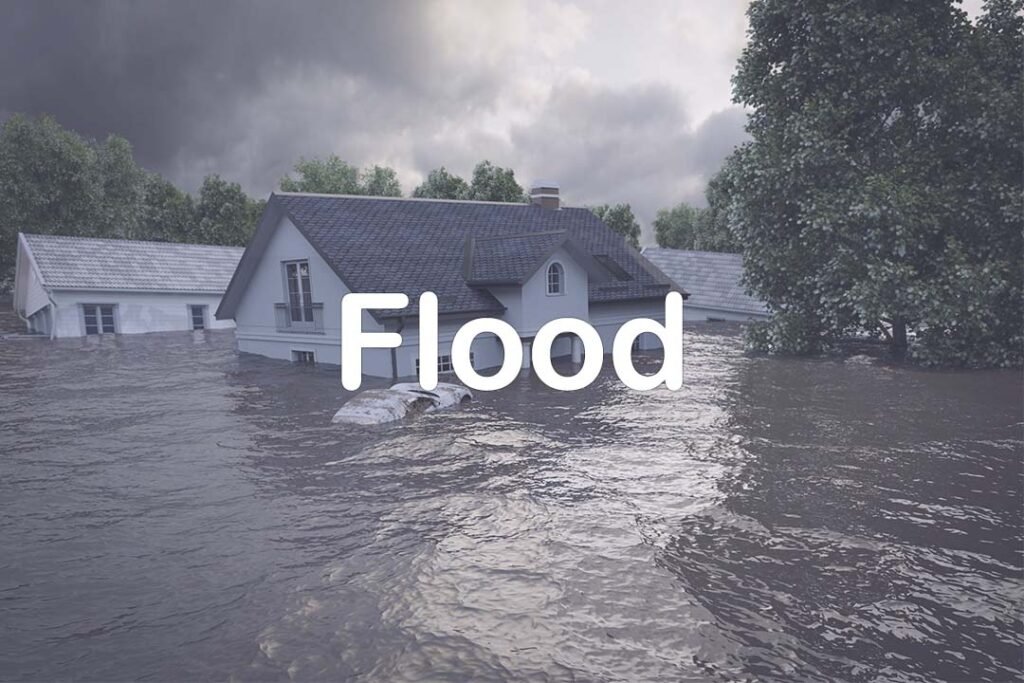
Flood insurance covers damage to your home and belongings caused by flooding—something standard homeowners’ policies typically exclude. If you live in a high-risk flood zone or even a moderate-risk area, understanding what flood insurance covers can mean the difference between quick recovery and financial devastation. This guide breaks down exactly what’s included, what’s not, and why this coverage is essential for peace of mind.
What Does Flood Insurance Actually Cover?
Flood insurance, primarily offered through the National Flood Insurance Program (NFIP) in the U.S., provides two main types of coverage: building property and personal property. Each has specific limits and conditions, so knowing the details helps you make informed decisions.
Building Property Coverage
This portion protects the physical structure of your home and its essential systems. Covered items typically include:
- Foundation walls, anchorage systems, and staircases
- Electrical and plumbing systems
- Central air conditioning, furnaces, and water heaters
- Built-in appliances like dishwashers, refrigerators, and stoves
- Permanently installed carpeting over unfinished flooring
- Paneling, wallboard, bookcases, and cabinets
- Detached garages (up to 10% of total building coverage)
Personal Property Coverage
This covers your belongings inside the home. Common covered items are:
- Clothing, furniture, and electronic equipment
- Portable microwaves, window air conditioners, and portable appliances
- Carpeting not included in building coverage (e.g., over finished floors)
- Curtains and drapes
- Washers and dryers
- Food freezers and the food inside them
- Valuable items like artwork and furs (up to $2,500 unless scheduled separately)
What’s NOT Covered by Flood Insurance
While flood insurance offers broad protection, it doesn’t cover everything. Knowing the exclusions prevents surprises when filing a claim.
Common Exclusions
- Damage caused by moisture, mold, or mildew that could have been avoided by the homeowner
- Currency, precious metals, and valuable papers like stock certificates
- Property and belongings outside the insured building, such as trees, plants, decks, fences, and swimming pools
- Financial losses due to business interruption or temporary living expenses (unless you purchase additional coverage)
- Most self-propelled vehicles, including cars, motorcycles, and ATVs
- Basement improvements like finished walls, floors, or ceilings—unless they contain essential building systems
It’s also important to note that flood insurance has a 30-day waiting period before it takes effect, except in cases where the policy is required for a mortgage or purchased in response to a flood map change.
How Much Does Flood Insurance Cover?
Coverage limits depend on whether you’re enrolled in the NFIP or a private flood insurer. For NFIP policies:
- Building coverage: Up to $250,000 for single-family homes
- Personal property coverage: Up to $100,000
These caps may not be enough for high-value homes or extensive belongings. In such cases, private flood insurance can offer higher limits and broader coverage options, including additional living expenses and replacement cost for personal items.
Types of Flooding Covered
Flood insurance covers damage from inland flooding, heavy rainfall, storm surges, blocked storm drains, and overflowing rivers or lakes. It also includes mudflow—thick, slow-moving flows of water-saturated earth—if caused by flooding.
However, it does not cover damage from sewer backups unless the backup is a direct result of flooding. Always verify the cause of water intrusion with your insurer.
Key Takeaways
- Flood insurance covers structural damage and personal belongings—but not everything.
- Standard homeowners’ policies do not include flood protection.
- NFIP policies have set limits; private insurers may offer more flexibility.
- There’s typically a 30-day waiting period before coverage begins.
- Basement contents and outdoor property are generally excluded.
- Flooding must be the direct cause of damage for a claim to be valid.
Frequently Asked Questions
Does flood insurance cover basement flooding?
Flood insurance covers certain basement systems like furnaces, water heaters, and electrical panels—but not finished walls, floors, or personal belongings stored in basements unless they fall under personal property coverage limits. Always check your policy details.
Can I buy flood insurance if I rent my home?
Yes. Renters can purchase flood insurance to cover their personal belongings up to $100,000 through the NFIP. The landlord’s policy typically only covers the building, not tenant possessions.
Is flood insurance required?
It’s mandatory if you have a federally backed mortgage and live in a high-risk flood zone (Special Flood Hazard Area). Even in low-to-moderate risk areas, it’s strongly recommended—nearly 25% of flood claims come from these zones.
Understanding what flood insurance covers empowers you to protect your home and finances before disaster strikes. Don’t wait for the next storm—review your risks, assess your needs, and secure the right coverage today.


