
Figuring out how much life insurance you need isn’t just about numbers—it’s about peace of mind. Whether you’re supporting a family, paying off a mortgage, or planning for your children’s education, the right coverage ensures your loved ones are protected if something unexpected happens. The truth is, there’s no one-size-fits-all answer, but with a clear strategy, you can calculate a realistic and sufficient amount tailored to your unique situation.
Why Calculating the Right Amount Matters
Underinsuring leaves your family vulnerable to financial hardship. Overinsuring, on the other hand, means paying unnecessary premiums. Getting the balance right ensures your policy supports your dependents without straining your budget. Life insurance isn’t just a safety net—it’s a strategic tool for long-term financial stability.
Your coverage should reflect your current obligations and future goals. This includes income replacement, debt clearance, education costs, and even final expenses. A well-calculated policy acts as a financial bridge, giving your family time to adjust without sacrificing their quality of life.
Step-by-Step: How to Determine Your Life Insurance Needs
1. Calculate Income Replacement
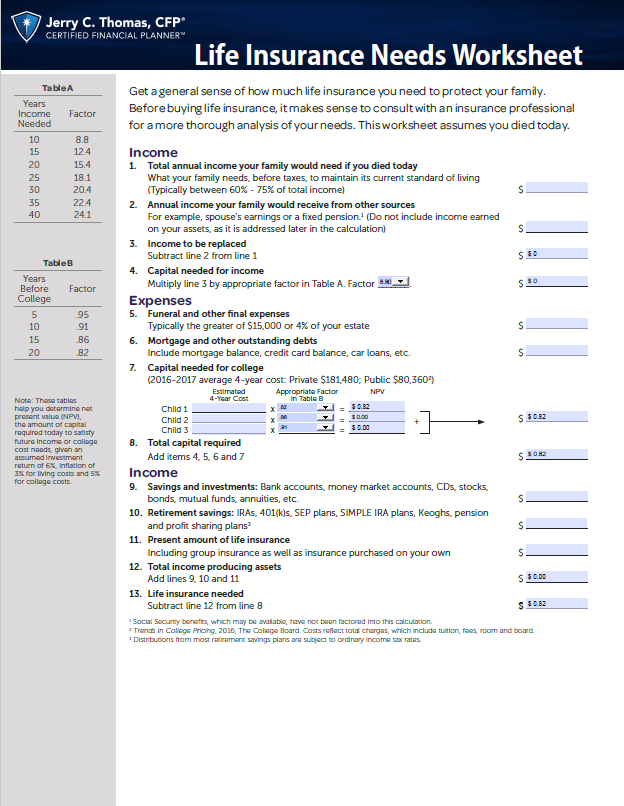
The most common starting point is replacing your income. Financial advisors often recommend 10–15 times your annual salary. This ensures your family can maintain their standard of living for years after your passing.
- Example: If you earn $60,000 annually, aim for $600,000 to $900,000 in coverage.
- Adjust based on how long your dependents will need support (e.g., until children are grown).
2. Add Up Major Financial Obligations
List all debts and future expenses your family would face. This includes:
- Mortgage or rent payments
- Car loans and credit card debt
- Children’s college tuition
- Medical bills or elder care costs
These liabilities don’t disappear when you do—your life insurance should cover them.
3. Include Final Expenses
Funeral and burial costs average between $7,000 and $12,000. Don’t overlook this expense, as it can burden grieving family members. Adding $10,000–$15,000 to your total ensures these costs are fully covered.
4. Subtract Existing Assets
Don’t double-count what your family already has. Subtract savings, investments, retirement accounts, and any existing life insurance policies from your total needed amount.
For example, if you need $1 million in coverage but have $200,000 in savings and a $100,000 employer-provided policy, your additional need drops to $700,000.
Use the DIME Method for Quick Estimation
The DIME method is a popular rule of thumb that simplifies the calculation:
- Debt: Total outstanding debts (excluding mortgage)
- Income: Annual income × number of years to replace
- Mortgage: Remaining home loan balance
- Education: Estimated college costs for children
Add these four numbers together, then subtract your liquid assets. The result is your estimated life insurance need.
Factors That Influence Your Coverage Amount
Family Size and Dependents
The more people relying on your income, the higher your coverage should be. Single individuals with no dependents may need minimal coverage, while parents of young children often require significantly more.
Age and Health
Younger, healthier individuals typically secure lower premiums and can lock in long-term policies. Delaying coverage increases costs and risk of denial due to health changes.
Type of Policy
Term life insurance offers affordable, fixed coverage for 10, 20, or 30 years—ideal for temporary needs like mortgage payoff. Whole life provides lifelong coverage with a cash value component but comes at a higher cost.
Most financial experts recommend term life for pure protection, especially when starting out.
When to Reassess Your Life Insurance Needs
Life changes, and so should your policy. Major life events should trigger a review:
- Marriage or divorce
- Birth or adoption of a child
- Buying a home
- Job change or salary increase
- Paying off significant debt
Revisiting your coverage every 3–5 years ensures it stays aligned with your financial reality.
Key Takeaways
- Calculate life insurance needs based on income replacement, debts, future expenses, and existing assets.
- Use tools like the DIME method for a quick, reliable estimate.
- Term life insurance is often the most cost-effective option for families.
- Review your policy regularly after major life changes.
- Aim for 10–15 times your annual income as a baseline, then adjust for personal circumstances.
FAQ: How Much Life Insurance Do You Need?
Q: Can I have too much life insurance?
A: Yes. Overinsuring means paying high premiums for coverage you don’t need. Focus on covering essential expenses and income gaps—not accumulating wealth through the policy.
Q: Should I include my spouse’s income in the calculation?
A: Only if your spouse relies on that income to support the household. If they’re the primary breadwinner, their coverage should be calculated separately based on their earnings and role.
Q: Is employer-provided life insurance enough?
A: Rarely. Most employer plans offer 1–2 times your salary—far below what most families need. Use it as a supplement, not a replacement, for personal coverage.
Determining how much life insurance you need is a critical step in protecting your family’s financial future. By assessing your income, debts, and goals, you can choose a policy that offers real security without overextending your budget. Start the conversation today—your loved ones will thank you.


