
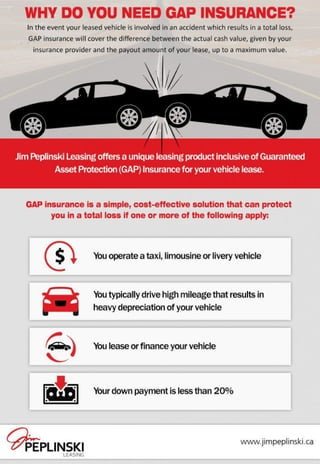
If you’ve ever financed or leased a car, you’ve probably heard the term gap insurance—but what does it actually mean? Simply put, gap insurance (short for Guaranteed Asset Protection) covers the difference between what you owe on your car loan or lease and the vehicle’s actual cash value if it’s totaled or stolen. This gap often appears because cars depreciate faster than loan balances shrink, leaving you on the hook for thousands.
Without gap coverage, you could end up paying out of pocket for a car you no longer have. That’s why understanding how gap insurance works is essential—especially if you made a small down payment, have a long loan term, or drive a vehicle that loses value quickly.
How Gap Insurance Works in Real Life
Imagine you buy a new car for $30,000 with a $2,000 down payment and a 60-month loan. After just one year, the car’s value drops to $22,000—but you still owe $26,000. If the car is totaled in an accident, your standard auto insurance will only pay the current market value ($22,000). That leaves a $4,000 “gap” that you’re responsible for.
This is where gap insurance steps in. It pays that $4,000 difference, so you’re not stuck paying for a car you can’t drive. Some policies even cover your deductible, adding another layer of financial protection.
When Does Gap Insurance Pay Out?
- Your car is declared a total loss by your insurer
- Your vehicle is stolen and not recovered
- The loan or lease balance exceeds the car’s ACV (Actual Cash Value)
Note: Gap insurance only applies if your primary auto policy declares the vehicle a total loss. It doesn’t cover repairs, mechanical failures, or partial damage.
Who Should Consider Gap Insurance?
Gap insurance isn’t necessary for everyone—but it’s a smart move for many drivers. Here’s who benefits most:
- New car buyers with low down payments (less than 20%)
- Long-term loan holders (60+ months), where depreciation outpaces payments
- Leased vehicle drivers, since leases often have high early depreciation
- Buyers of fast-depreciating models, like luxury cars or certain EVs
If you paid 20% or more upfront, have a short loan term (36–48 months), or drive a used car with slower depreciation, gap coverage may be less critical—but still worth evaluating.
Types of Gap Insurance: Loan vs. Lease Coverage
There are two main types of gap insurance, tailored to different financing methods:
Loan Gap Insurance
Designed for traditional auto loans, this version covers the difference between your outstanding balance and the car’s ACV. It’s typically offered by dealerships, banks, or credit unions at the time of purchase.
Lease Gap Insurance
If you’re leasing, your contract may already include gap protection—but not always. Lease gap insurance ensures you won’t owe the remaining payments if the car is totaled. Always check your lease agreement before buying extra coverage.
Some insurers also offer “return-to-value” or “disappearing deductible” gap policies, which reduce or eliminate your deductible based on claim-free periods.
Where to Buy Gap Insurance (and How Much It Costs)
You can purchase gap insurance from several sources:
- Car dealerships – Often convenient but may be more expensive
- Auto insurers – Many major providers (like Geico, Progressive, State Farm) offer it as an add-on
- Credit unions and banks – Especially if they financed your loan
Costs vary widely, but most gap policies range from $50 to $700, depending on your vehicle, loan amount, and provider. Dealership plans tend to be pricier, while bundling with your existing auto insurer often saves money.
One key tip: Buy gap coverage early. Most policies must be purchased within 30 days of the vehicle purchase or lease start date.
Key Takeaways: Is Gap Insurance Worth It?
- Gap insurance protects you from owing money on a totaled or stolen car
- It’s most valuable for new cars, long loans, small down payments, and leased vehicles
- Standard auto insurance only pays the car’s current value—not what you owe
- Compare prices: Dealership gap plans are often more expensive than insurer options
- Read the fine print—coverage limits, exclusions, and payout caps vary
Frequently Asked Questions About Gap Insurance
Can I cancel gap insurance once I’ve paid off most of my loan?
Yes—most gap policies allow cancellation once your loan balance drops below the car’s value or after a certain period (e.g., 36 months). Contact your provider to request a refund of unused premiums.
Does gap insurance cover my deductible?
Some policies do, especially those offered by insurers. Others only cover the loan-to-value gap. Always check your policy details to confirm deductible inclusion.
Is gap insurance the same as extended warranty or loan protection?
No. Gap insurance only covers the financial gap after a total loss. Extended warranties cover mechanical repairs, while loan protection insurance pays your monthly payments if you lose your job or become disabled—they serve different purposes.


