
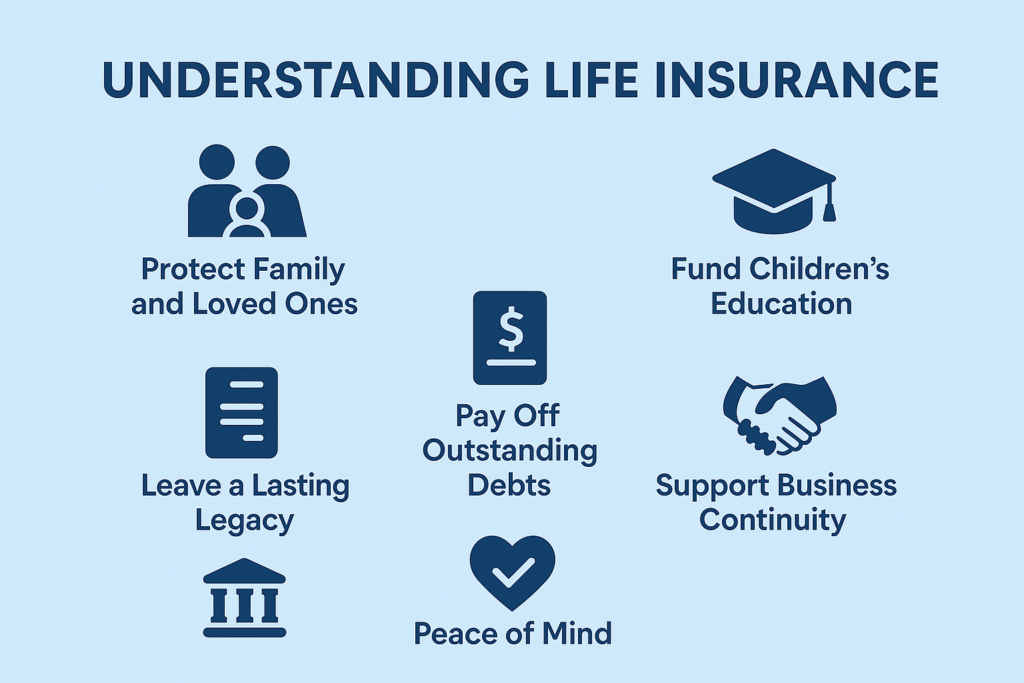
Is life insurance worth it? The short answer: yes—if you have people who depend on your income, financial obligations, or a future you want to protect. Life insurance isn’t just for the elderly or the wealthy; it’s a practical tool for anyone who wants to shield their loved ones from financial hardship after they’re gone. Whether you’re supporting a family, paying off a mortgage, or planning for your children’s education, life insurance can provide peace of mind and long-term security.
What Is Life Insurance and How Does It Work?
Life insurance is a contract between you and an insurance company. In exchange for regular premium payments, the insurer agrees to pay a lump sum—called a death benefit—to your designated beneficiaries upon your death. This payout can be used for anything: covering daily living expenses, paying off debts, funding education, or even leaving a legacy.
There are two main types of life insurance:
- Term life insurance: Provides coverage for a specific period (e.g., 10, 20, or 30 years). It’s affordable and ideal for temporary needs like mortgage protection or income replacement during working years.
- Permanent life insurance: Includes whole life and universal life policies. These offer lifelong coverage and often include a cash value component that grows over time. They’re more expensive but can serve as both protection and a financial asset.
When Is Life Insurance Worth It?
Life insurance is most valuable when your financial responsibilities outlive your income. Consider these common scenarios:
- You have a spouse or partner who relies on your earnings.
- You’re raising children and want to ensure their future is secure.
- You carry significant debt, such as a mortgage or student loans.
- You own a business and want to protect your partners or employees.
- You want to cover final expenses like funeral costs, which can exceed $10,000.
Even if you’re single with no dependents, life insurance might still make sense—especially if you have co-signed debts or aging parents who depend on you financially.
When Might Life Insurance Not Be Worth It?
Life insurance isn’t a one-size-fits-all solution. It may not be necessary if:
- You have no financial dependents.
- Your savings and investments are sufficient to cover your family’s needs.
- You’re retired with paid-off debts and a solid estate plan.
Additionally, permanent life insurance policies come with higher premiums and complex terms. If your primary goal is affordable protection, term life is usually the smarter, more cost-effective choice.
Cost vs. Benefit: Is the Premium Worth the Payout?
One of the biggest concerns people have is whether the cost of life insurance justifies the benefit. The truth is, term life insurance is remarkably affordable—especially when purchased young and in good health.
For example, a healthy 30-year-old might pay as little as $20–$30 per month for a $500,000 term policy lasting 20 years. That’s less than the cost of a weekly coffee habit, yet it could replace years of income for a family.
Compare that to the potential financial fallout of going uninsured: a spouse forced to downsize their home, children unable to afford college, or debts passed on to relatives. The peace of mind and financial safety net often far outweigh the monthly expense.
Key Factors That Affect Your Decision
To determine if life insurance is worth it for you, ask these questions:
- Who would be financially impacted if I died tomorrow?
- How much would my family need to maintain their current lifestyle?
- Do I have existing savings or assets that could cover these needs?
- Am I in good health, or do I have risk factors that could increase premiums?
- Do I need coverage for a set period (term) or for my entire life (permanent)?
Answering these honestly will help you choose the right type and amount of coverage.
Common Myths About Life Insurance
Misconceptions often deter people from getting coverage. Let’s clear them up:
- Myth: “I’m too young to need life insurance.”
Fact: The younger and healthier you are, the lower your premiums. Locking in a policy early can save you thousands. - Myth: “My employer’s group policy is enough.”
Fact: Employer plans are often limited and disappear if you leave the job. Personal policies offer more control and portability. - Myth: “Life insurance is only for breadwinners.”
Fact: Stay-at-home parents provide invaluable services (childcare, housekeeping) that would cost tens of thousands annually to replace.
Key Takeaways
- Life insurance is worth it if you have dependents, debts, or long-term financial goals.
- Term life insurance offers high coverage at low cost and is ideal for most people.
- Permanent policies are more complex and expensive but may suit specific estate or investment needs.
- Premiums are most affordable when you’re young and healthy—don’t wait.
- Even single individuals with no kids may benefit from coverage in certain situations.
Frequently Asked Questions
How much life insurance do I actually need?
Financial experts often recommend 10–12 times your annual income. Use an online life insurance calculator to factor in debts, future expenses (like college tuition), and existing savings.
Can I get life insurance if I have health issues?
Yes, but premiums may be higher. Some insurers offer policies for high-risk applicants, and certain types (like guaranteed issue life insurance) don’t require a medical exam—though they come with lower coverage limits.
What happens if I outlive my term life policy?
Your coverage simply ends, and no payout is made. However, many term policies allow you to convert to a permanent policy without a medical exam, which can be useful if your health declines later.
Ultimately, life insurance is less about the policy itself and more about the people you leave behind. It’s a quiet act of love—one that ensures your family’s stability, even when you can’t be there. If that matters to you, then yes, life insurance is absolutely worth it.


